
Learn
A deeper understanding of the body, movement and wellbeing
This space is for those who like to understand the why behind the work. Here you’ll find resources and reflections exploring the connection between body, mind and movement, alongside the science and lived experience that inform the classes and retreats.
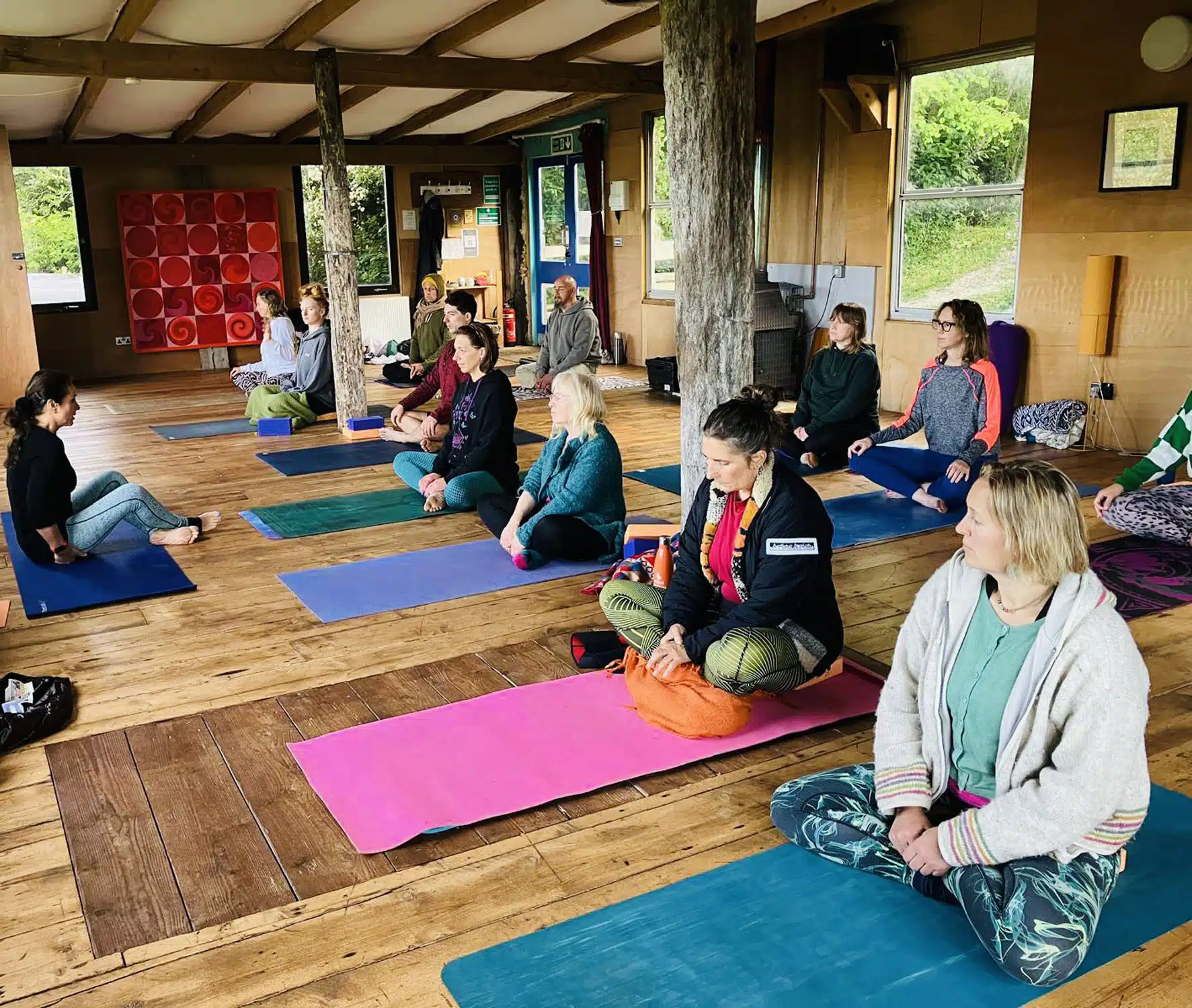
Understanding the body & nervous system
This section offers a simple, grounded look at how the body responds to stress, movement and rest — and why gentle, mindful practices can be so effective over time.
You don’t need to understand any of this to benefit from the work, but for those who like to know why something helps, this offers a little more insight.

How the body and mind work together
The body and mind are not separate systems — they are in constant communication.
Thoughts, emotions and life experiences all create physical responses in the body, just as physical states influence how we think and feel. Over time, stress and emotional load can show up as tension, fatigue, pain or digestive discomfort.
Practices that bring awareness to movement and breath help support this communication, allowing the body to settle and rebalance.
Stress and the nervous system
Stress triggers a natural survival response designed to protect us. In short bursts, this response is helpful. When it becomes constant, it can affect sleep, digestion, hormones, mood and energy levels.
Gentle movement and steady breathing help signal safety to the nervous system, supporting a shift out of constant alertness and into rest and recovery.
This is why slowing down is not a weakness, it’s a biological necessity.
Why trauma and tension can linger in the body
Life experiences including injury, surgery, illness or emotional stress can leave patterns of tension in the body long after the event has passed.
These patterns aren’t always conscious. The body often holds on as a way of staying protected.
Somatic and awareness-based practices support the body’s natural ability to release tension gradually, restoring ease and freedom of movement without force.
Movement, fascia and flexibility
Fascia is the connective tissue that links and supports every part of the body. It thrives on gentle, varied movement and hydration.
When fascia becomes restricted, often through stress, injury or inactivity, movement can feel stiff or uncomfortable. Slow, mindful movement helps keep this tissue supple and adaptable, supporting long-term mobility and comfort.
Hormones and women’s health
Hormones influence far more than reproduction. Changes in oestrogen and progesterone affect muscles, joints, sleep, mood, digestion and the nervous system.
During perimenopause and menopause, these shifts can feel unsettling or confusing. Supportive movement, breathwork and body awareness help women navigate these changes with greater understanding, stability and self-compassion.
Online movement & learning
Guided online sessions offer a supportive way to explore movement and body awareness from home.
You’ll find:
- online yoga, pilates and somatic movement classes
- educational sessions exploring the body, nervous system and wellbeing; supporting deeper understanding alongside practice
- 1:1 online sessions with Sylvie, offering personalised guidance, movement support and space to ask questions
All sessions are designed to feel supportive, manageable and grounded without pressure or expectation.
Insights & understanding
Drawn from Sylvie’s years of experience in movement, wellbeing and body-based practices, this collection offers a deeper look at the body — from how the nervous system responds to stress, to why gentle, intelligent movement supports long-term wellbeing.

The Surprising Benefits of Herbal Teas: Nature’s Remedy in a Cup
In our fast-paced, stress-filled world, finding moments of calm and relaxation can sometimes feel like a luxury. But what if something as simple as a warm cup of tea could offer both comfort and health benefits? Herbal teas, with their fragrant aromas and soothing...

Stepping into Spring – Mood Boosting ways to Refresh your Mind & Energy
As we begin to emerge from a long, dark winter—one that has seen many people across the United Kingdom spending more time indoors than usual due to pandemic-related restrictions—the first signs of spring can feel almost surreal. After months of rain, early nightfall,...

Feel ready to take the next step?
If you feel ready to slow down, reconnect and restore balance, I’d love to welcome you.